
For the trade
Trade collections
A standing collection, so the metal leaves on a schedule instead of when it becomes a problem.
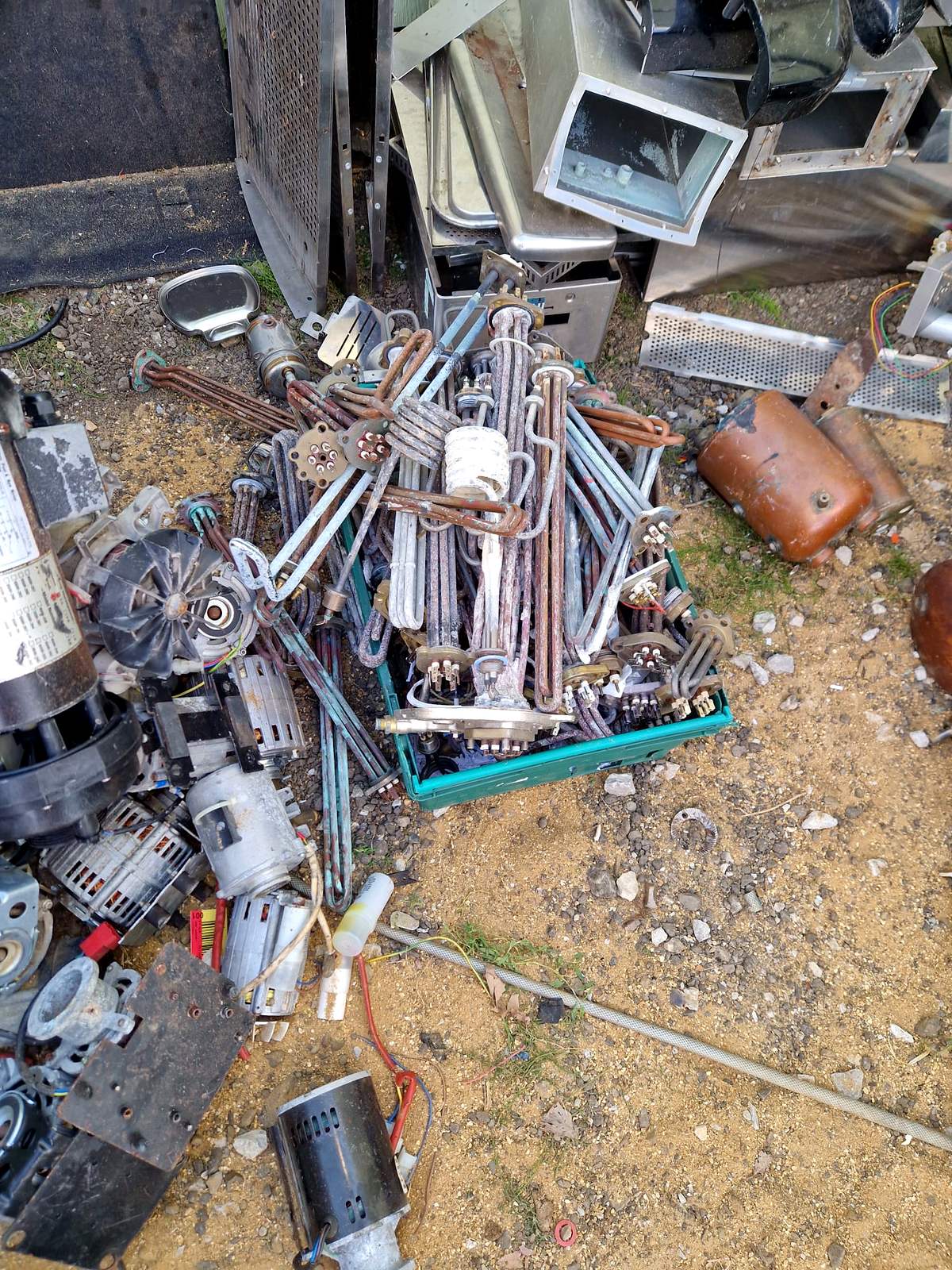
What that covers
Garages & body shops
Alloys, panels, exhausts, batteries. Regular pickups so the bay stays clear.
See more →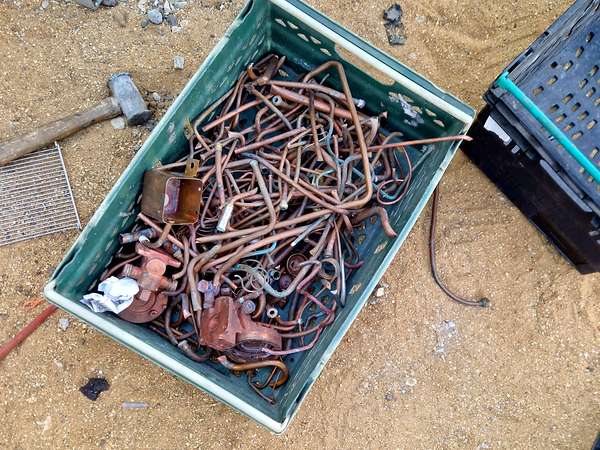
Plumbers & heating engineers
Copper pipe, cylinders and brass off the van. Weighed while you wait.
See more →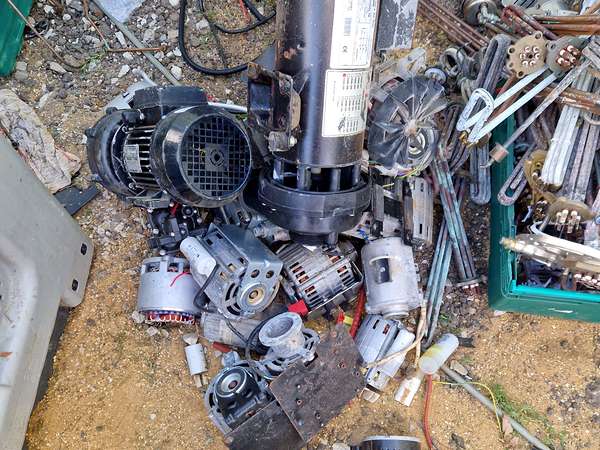
Electricians
Cable, motors, boards and armoured — stripped or exactly as it comes off the job.
See more →If you generate scrap every week, the job is not really “getting rid of it”. It is making sure it never builds up to the point where it is blocking a bay, filling a yard, or sitting in a corner of the unit that you are paying rent on.
A trade collection is a standing arrangement. We agree roughly how often, we turn up, it goes, and you get paid for what was worth paying for.
How it works
- We agree a rhythm. Weekly, fortnightly, monthly, or “ring us when it’s full”. Most people start with the last one and settle into one of the others once they see how fast it actually accumulates.
- You separate what is worth separating. Not everything — there is no point sorting a handful of brass fittings. But copper kept away from steel is the difference between two prices, and we will tell you honestly where the line is for your kind of work.
- It gets weighed, and you see the weight. Not an estimate written on the back of something.
- You get paid by transfer. Paying cash for scrap has been illegal in this country since 2013. Anyone still offering it is telling you something about how the rest of their business runs.
- Paperwork every time. A transfer note per collection, which is the thing that makes the load your former problem rather than your ongoing one.
Why a schedule beats a phone call
The version where you ring somebody when the pile gets embarrassing has two costs. The obvious one is the space. The less obvious one is that you are always selling from a position of wanting it gone, which is not the position you get the best price from.
On a standing collection the metal leaves before it is in the way, so the only question left is what it weighed.
Who this is for
Motor trade, plumbing and heating, electrical contracting — the three below have their own pages because the metal is genuinely different in each. But it is not a closed list. Fabricators, engineers, joiners with a lot of ironmongery, property maintenance firms, letting agents running a portfolio: if metal comes out of what you do, the arrangement is the same.
On the job
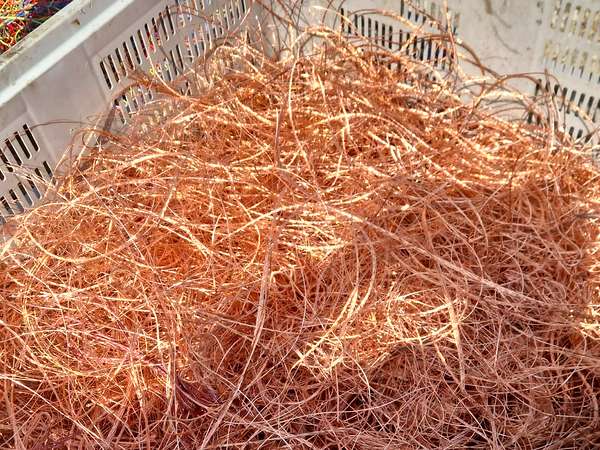
What this actually looks like
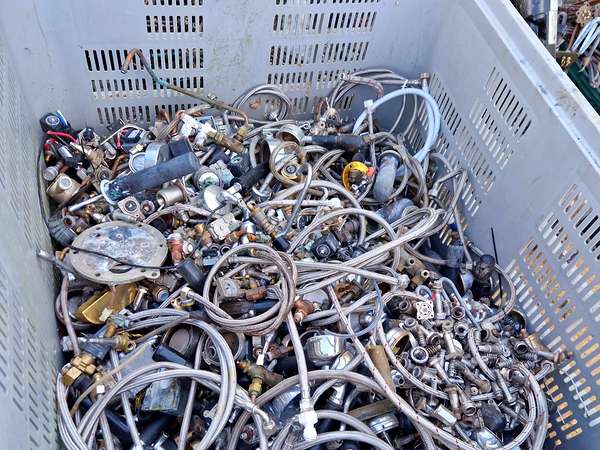
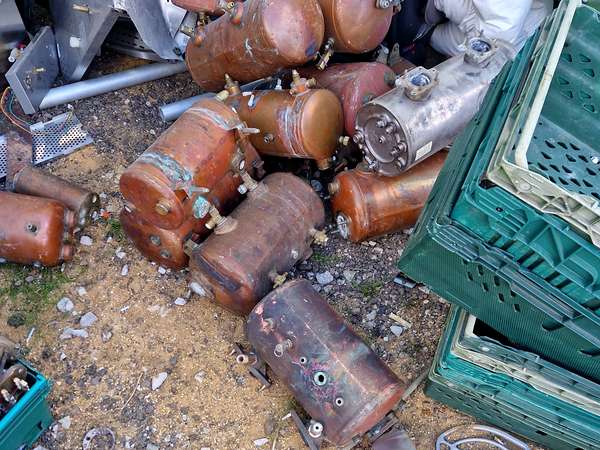
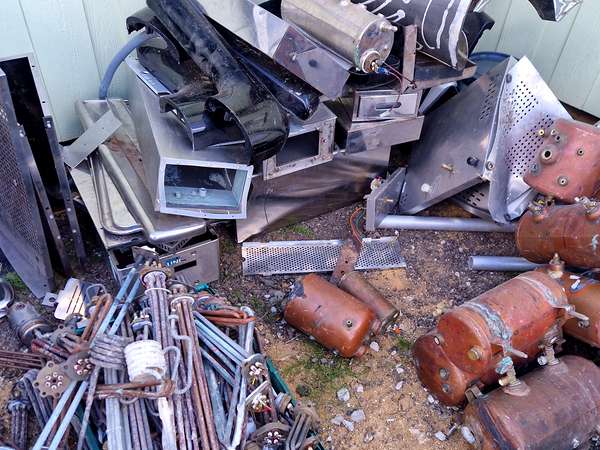
How it works
Three steps. No site visit.
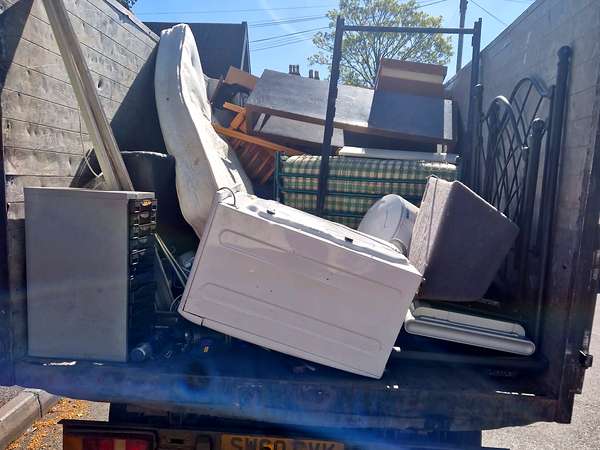
Send a photo
WhatsApp a picture of whatever needs shifting. No need to tidy it first or guess the weight.
Get a price
A straight number back, usually the same day. The real price for your actual load.
It’s gone
We turn up, load it, sweep up, and you get the paperwork showing where it went.
The money bit
What actually decides what we pay
Nobody likes “it depends”. Here is what it actually depends on, so you can work out roughly where you stand before you ring anyone.
01
What it weighs
The base of it. Weighed on scales you can read, in front of you — not estimated in a back office and written on a docket afterwards.
02
What grade it is
The widest variable by a distance. Bright copper and burnt copper are the same metal and nowhere near the same price. Light iron, heavy scrap and non-ferrous are three different numbers, and keeping them apart is what moves yours.
03
How clean it is
Everything attached that is not the metal comes off the weight that counts — motors in a pile of steel, plastic housings, timber, the foam bonded to a modern cylinder. You do not have to strip it. It just prices as what it is.
04
Whether we collect it
Bringing it in yourself is worth more than having it collected, because collection is a vehicle and a driver. On a decent load the difference is real; on a boot full of oddments it is not worth the fuel.
Why there’s no price list on this page
Because scrap prices move with the metal markets, and they move weekly. Any figure printed here would be out of date before most people read it, and a website quoting last month’s rate is not being transparent — it is being wrong in a direction that never seems to disadvantage whoever published it.
Send a photo of what you have got and you will get today’s number for your actual load. Payment is by bank transfer, because paying cash for scrap has been illegal in this country since 2013 — anyone offering you notes is telling you something about how the rest of their business runs.
FAQ
Straight answers
How often would you collect?
Whatever suits — weekly, fortnightly, monthly, or ring us when it is full. Most people start with the last one and settle into one of the others once they see how fast it actually accumulates.
Do I have to sort it?
Only where it pays, and we will tell you where that line is for your kind of work. There is a point past which sorting stops repaying the time, and you should know where it is.
How and when do you pay?
Bank transfer — cash for scrap has been illegal since 2013. It gets weighed where you can see it, not estimated out of sight, and there is a transfer note every collection.
What areas do you cover?
Wymondham and everywhere down the A11 and A47 — Norwich, Attleborough, Thetford, Diss, Long Stratton and across into Suffolk to Beccles and Bungay. If you are not sure, just ask.
Is it all done legally?
Yes. We are an upper-tier registered waste carrier and a licensed scrap metal dealer with both councils, and every load comes with a waste transfer note. Ask for our registration number when you ring and we will give it to you, so you can check it against our name on the public register.
How quickly can you come?
Often the same week, sometimes the same day if we are passing. Tell us where you are and you will get the honest answer rather than the one that gets us the booking.