Guide
What a waste transfer note is, and why you want one
It is a boring piece of paper that decides whether a fly-tipping fine lands on you or on the person who dumped it.
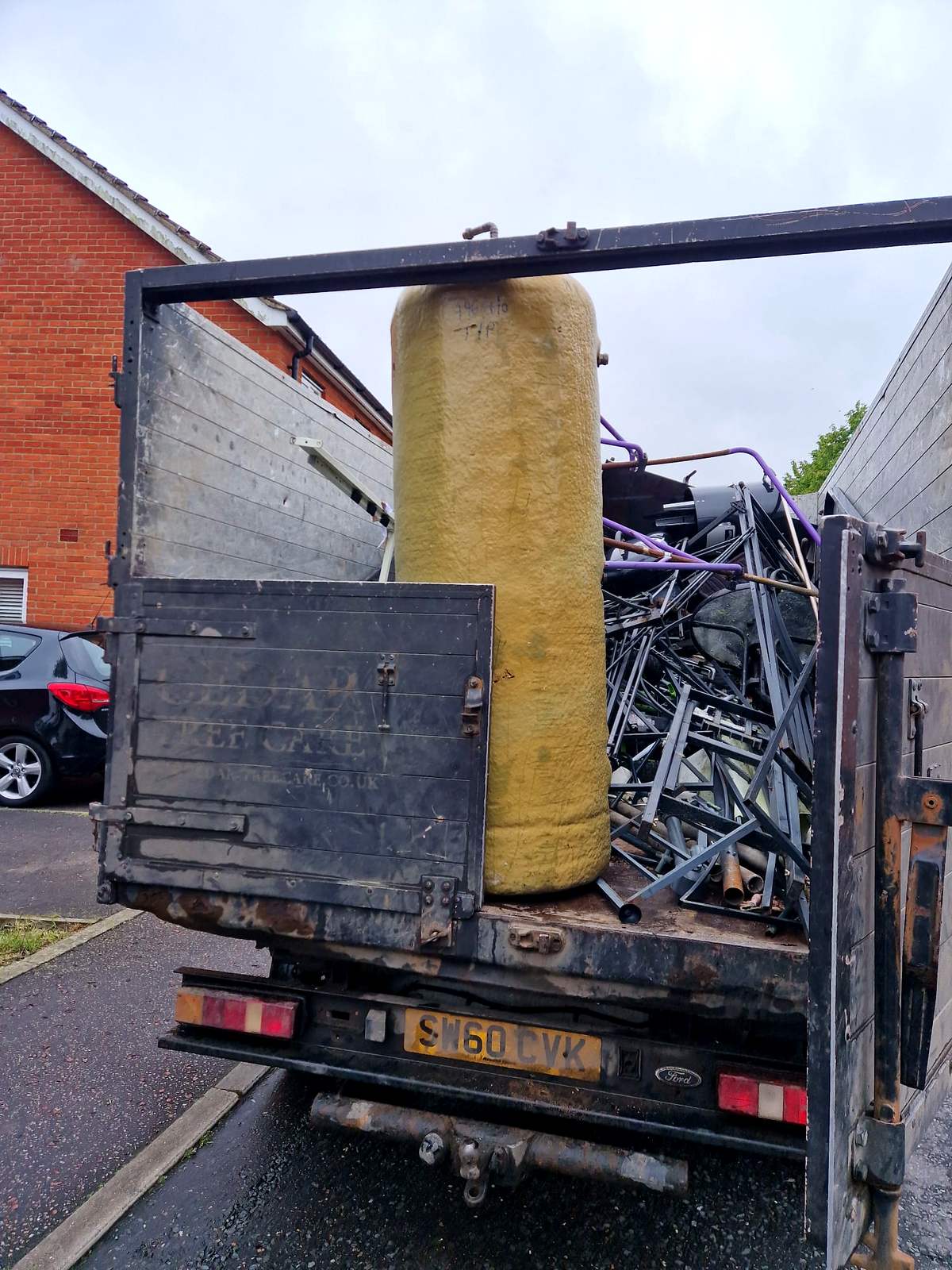
Nobody has ever been excited about a waste transfer note. It matters anyway, because it is the only thing standing between you and a fine if your rubbish turns up in a lane six miles away.
The duty nobody tells you about
Under the Environmental Protection Act, a householder has a duty of care to take reasonable steps to check that whoever takes their waste away is authorised to have it. Not to check that they are nice, or cheap, or came recommended — that they are registered.
If you do not, and the waste is later dumped, the council can issue you a fixed penalty of up to £600. The person who actually dumped it is committing a far more serious offence, but that does not get you out of yours, and they are usually harder to find than you are. Your address is generally somewhere in the pile.
What the note has to show
- Who the waste came from, and who took it
- The carrier’s registration number, so it can be checked
- What the waste was, described properly — not just “rubbish”
- The date and where it was collected
- Where it went
Keep it. If a council ever asks how your sofa ended up in a field, this is the entire conversation.
Checking a carrier takes a minute
Search gov.uk for “check a waste carrier”, put in the name or registration number, and see whether the registration is current. That is it. If the person quoting you cannot give you a number to check, you have learned something useful for free.
A registration is public, permanent and easy to produce. The only reason not to hand one over is not having one.
The honest version of the pitch
Every load we take comes with a transfer note, and you can have our registration number for the asking, so you can check us before you ring. That is not us going above and beyond — it is the legal minimum, and the interesting question is why it is a selling point at all.
More guides
Worth knowing too
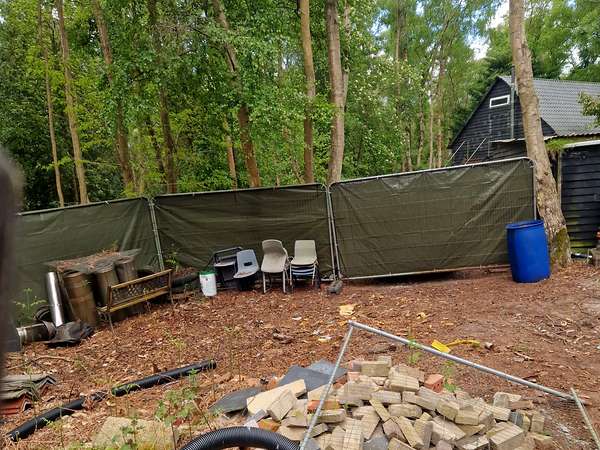
Garden clearance: the half of it that is underground
Most garden clearance quotes cover cutting and carting. What decides whether the garden is actually usable afterwards is what comes out of the ground…
Read →
Fly-tipped on your land? The bill is yours
Fly-tipping on private land is cleared at the landowner’s expense, not the council’s. Here is why, what it costs, and what actually happens to…
Read →
Who can actually issue a certificate of destruction?
Only an authorised treatment facility can issue a certificate of destruction. A scrap metal dealer licence is a different thing — here is how…
Read →Recent jobs