
What we take
Electrical waste & WEEE
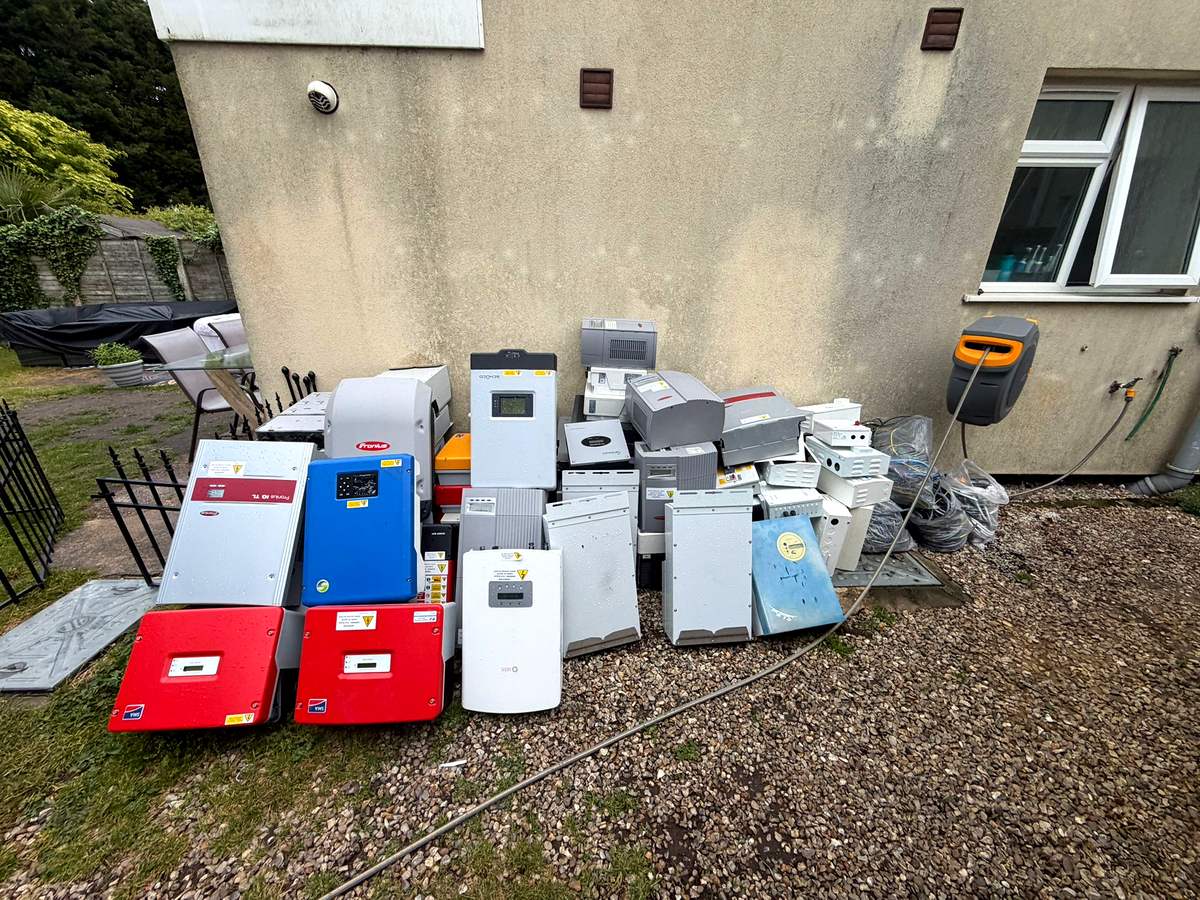
Fridges, freezers, washers, tellies, cable and solar inverters. WEEE has rules attached — we follow them, so you do not have to learn them.
WEEE stands for waste electrical and electronic equipment, which is the formal name for anything with a plug, a battery or a circuit board in it. In practice it means the appliances nobody else will take.
It is the category people most often get stuck with, because it is exactly the stuff a general waste collection turns down and a skip firm will not have.
What we take
- Fridges, freezers and fridge-freezers — including chest freezers and the one in the garage
- Washing machines, dryers, dishwashers, cookers, hobs and extractors
- Televisions and monitors, flat panel and the old glass ones
- Computers, printers, servers, network kit and the cable that went with them
- Small domestic: microwaves, kettles, vacuums, hi-fi, power tools
- Storage heaters, immersion heaters, boilers and heat pumps
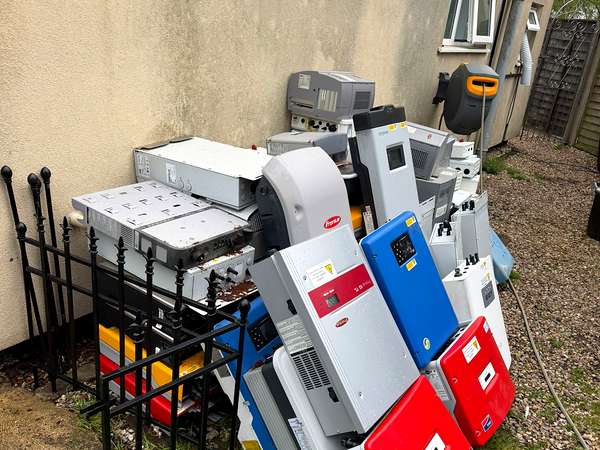
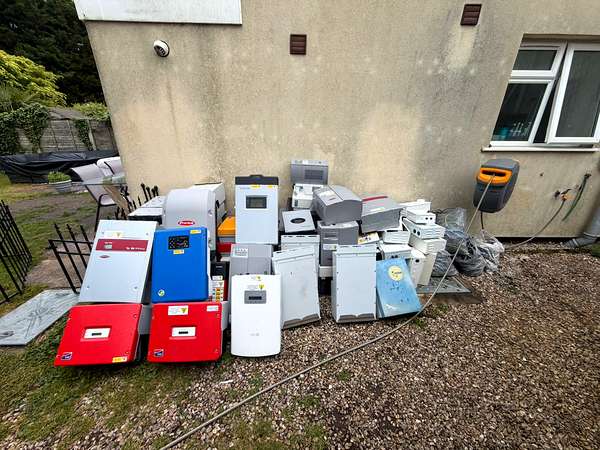
- Solar inverters, optimisers and PV cabling
Why a fridge cannot go in a skip
Because of what is in the circuit and in the foam. Fridges and freezers contain refrigerant gases and blowing agents that have to be extracted before the unit is broken up, which is a controlled process and needs the right kit. Crush one in a skip and that goes straight into the air.
This is why skip firms exclude them, why the tip makes you queue separately for them, and why a fridge is the single most commonly fly-tipped appliance in the country. It is also why we get asked about them more than anything else on this list.
We are set up for them. There is no drama to it at your end — it goes on the van like everything else.
Data, if it is a computer
We will take the hardware. We will not tell you it has been data-wiped, because that is a certified process and the certificate should come from somebody who does it properly.
Pull the drive, or have your IT people wipe it, and the machine is then just metal, plastic and boards. If you need certified destruction of the drives, say so and we will point you at somebody who issues the paperwork rather than pretend it is us. For a business clearing a whole office, this is worth sorting before the day — see business clearance.
There is metal in all of it
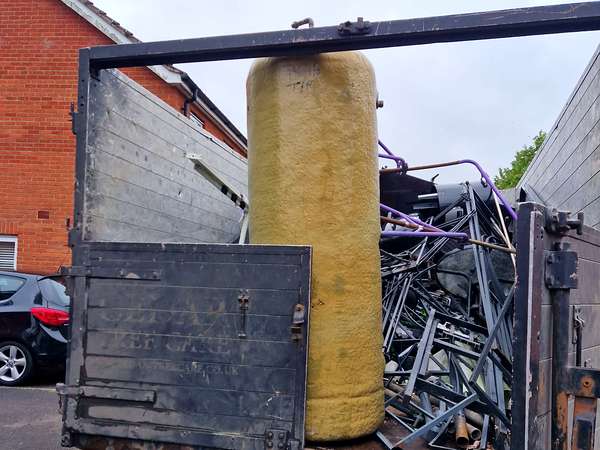
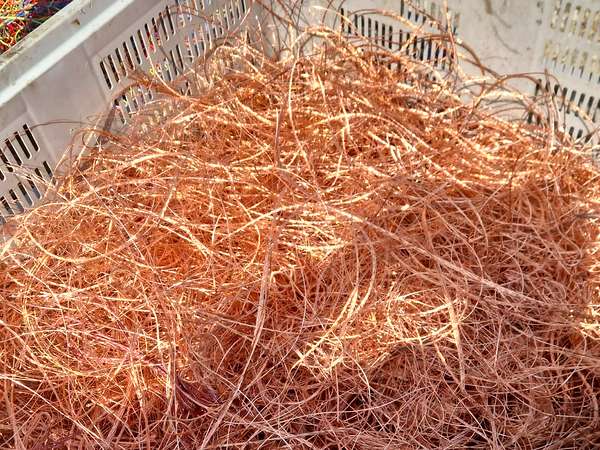
Appliances are largely steel, with copper in every motor and transformer. That value comes off the price of the collection in the same way it does on a clearance. On a load that is mostly white goods, it makes a real difference to the number.
Batteries
Loose batteries are their own thing rather than part of a WEEE load, particularly lithium. See scrap batteries — and if you have a home storage battery coming off a wall, ring before anybody disconnects it.
On the job
What this actually looks like
How it works
Three steps. No site visit.
Send a photo
WhatsApp a picture of whatever needs shifting. No need to tidy it first or guess the weight.
Get a price
A straight number back, usually the same day. The real price for your actual load.
It’s gone
We turn up, load it, sweep up, and you get the paperwork showing where it went.
The money bit
What actually decides the price
Nobody likes “it depends”. Here is what it actually depends on, so you can guess pretty well before you even send the photo.
01
How much there is
The biggest single factor, and the one the photo answers on its own. We price by what it takes to shift — part of a van, a full van, one tipper load, three.
02
What’s in it
Some things carry a disposal charge by law — fridges, mattresses, tyres, plasterboard, paint. Others go the other way: if there’s real metal in the load, that value comes off your price.
03
How hard it is to reach
Kerbside and a wide drive is quick. Up two flights, through a narrow side gate, or forty yards down a wet garden is not. We’re charging for the time, not punishing you for the stairs.
04
Where you are
Wymondham and Hethersett are on the doorstep. Beccles is a run. It’s rarely the deciding factor, but it’s honest to say it counts for something.
Why there’s no “from £80” on this page
Because a from-price is a number chosen to get you on the phone, not a number anyone intends to charge. You ring, it turns out your job isn’t the one job in a hundred that qualifies, and the real figure lands once someone is already stood on your drive.
We’d rather you got the actual number for your actual load, in writing, before anyone turns up — and that you were free to ignore it. The price we send is the price you pay, unless you add to the pile, in which case tell us and we’ll re-quote.
Recent jobs
Recent electrical waste & weee jobs
A stack of appliances collected for recycling
Fridges, washers and freezers, handled under WEEE
See the job →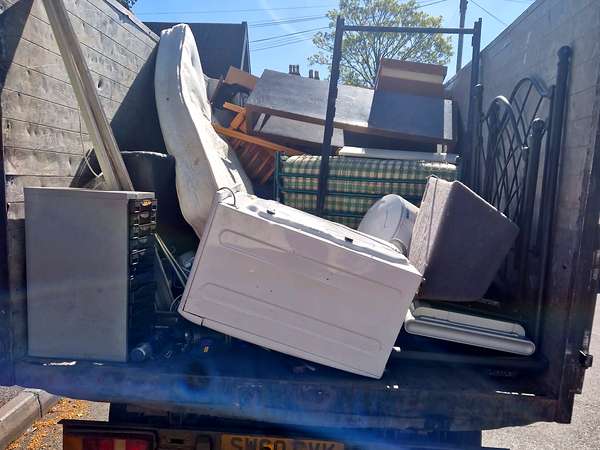
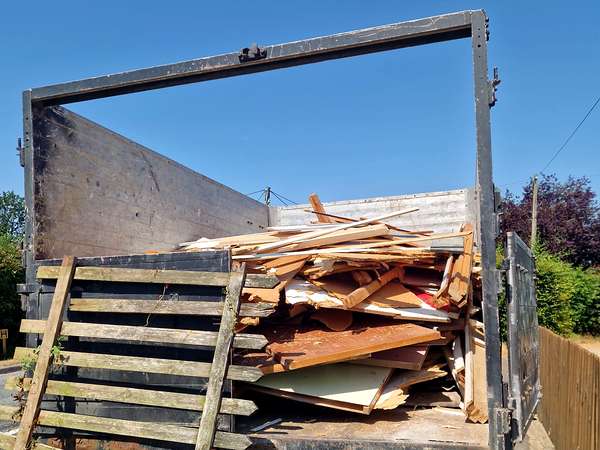
Furniture and mattresses out of a house clearance
Loaded from the door, no skip on the drive
See the job →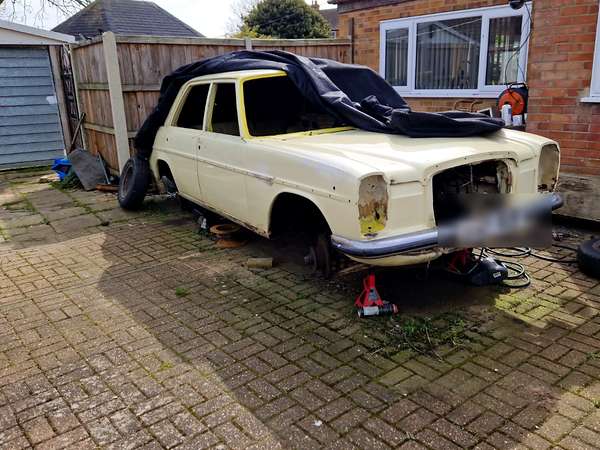
A project car and a scrap van, one visit
Two vehicles cleared from the same address
See the job →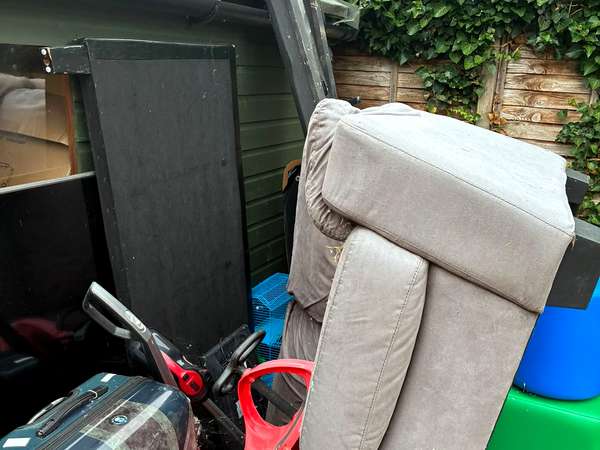
FAQ
Straight answers
Why can a fridge not go in a skip?
Because of the refrigerant gas and the blowing agent in the foam, which have to be extracted before the unit is broken up. Crush one in a skip and it goes straight into the air. It is why skip firms exclude them and why we get asked about them more than anything else.
Do you wipe the data off computers?
No, and be wary of anyone who says they do without issuing a certificate. Pull the drive or have it wiped by your IT people, and the machine is then just metal, plastic and boards.
Is there a charge, or is it worth something?
Appliances are largely steel with copper in every motor. That value comes off the price of the collection, and on a load that is mostly white goods it makes a real difference to the number.
What areas do you cover?
Wymondham and everywhere down the A11 and A47 — Norwich, Attleborough, Thetford, Diss, Long Stratton and across into Suffolk to Beccles and Bungay. If you are not sure, just ask.
Is it all done legally?
Yes. We are an upper-tier registered waste carrier and a licensed scrap metal dealer with both councils, and every load comes with a waste transfer note. Ask for our registration number when you ring and we will give it to you, so you can check it against our name on the public register.
How quickly can you come?
Often the same week, sometimes the same day if we are passing. Tell us where you are and you will get the honest answer rather than the one that gets us the booking.