Guide
How to check a waste carrier is licensed (in about a minute)
A quick, free check that tells you whether the person taking your waste is registered — before you hand anything over.
It is the single most useful thing you can do before paying anyone to take waste away, and almost nobody does it.
Step one — ask for the number
Every registered carrier has an Environment Agency registration number, and a legitimate one will give it without hesitation. Ask them for it directly. Do not use a number you found on a website or a leaflet, and do not accept a photograph of a certificate — a photo can be of anybody’s.
Step two — look it up, and read the name
Search the Environment Agency public register for that number. You will see whether the registration is current, at what tier, and — the part almost everyone skips — the name it is held in.
That last detail is the whole check. A registration number is a public record, not a password, and nothing stops somebody reading one off a website and quoting it as their own. It happens. You ask, they answer without hesitating, you look it up, and it comes back valid and current in the name of a real firm. The check passed and proved nothing, because the number was never theirs.
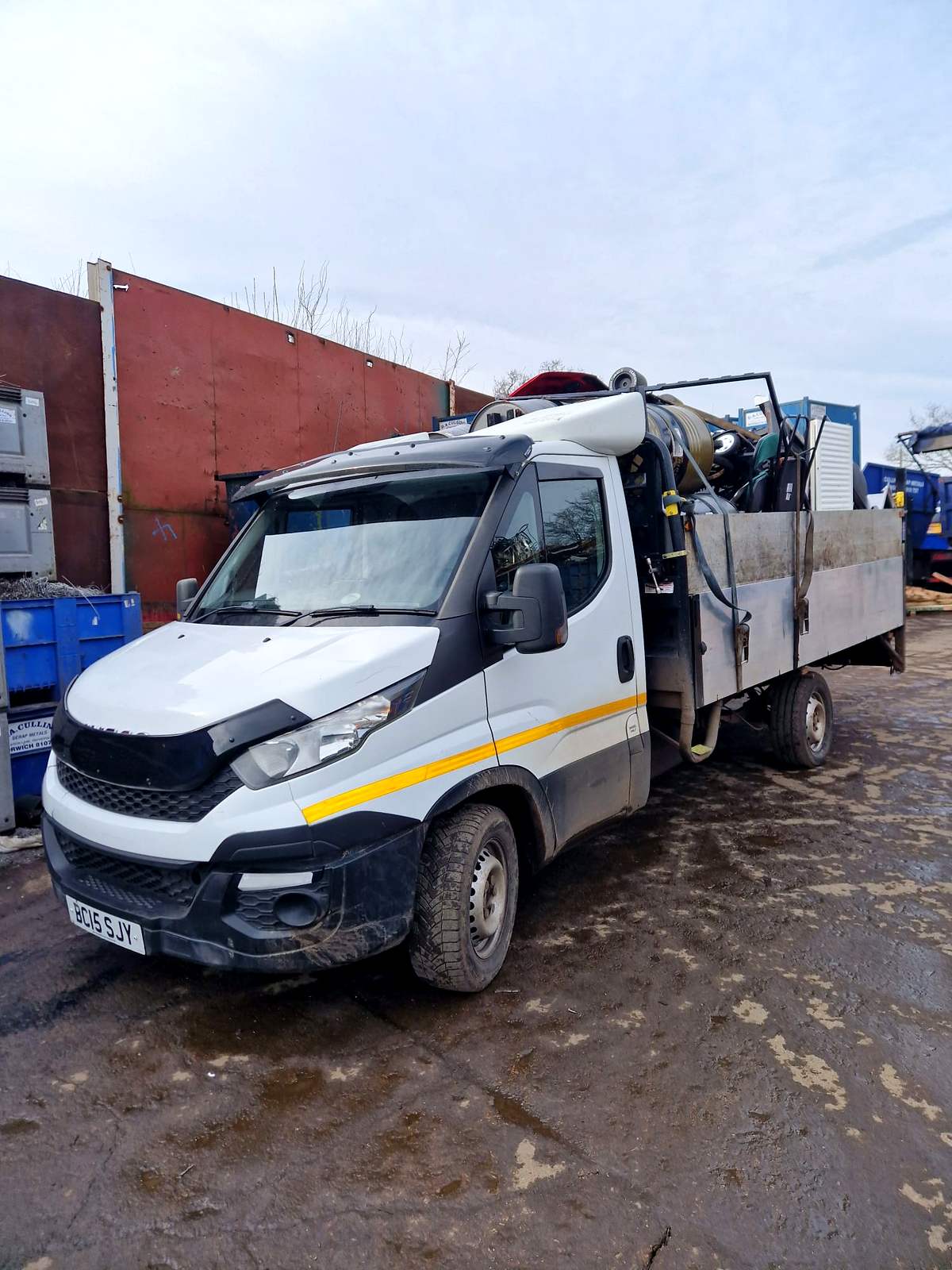
So match the name on the register against the name on the van, the quote and the paperwork. If they do not match, or the person goes vague when you mention it, you have your answer.
Step three — get the paperwork
When the waste is collected, you should get a waste transfer note describing what was taken. Keep it. It is your proof that you did the right thing.
That is the whole check. If a quote seems cheap because the person skips all three, the saving is not a saving — it is a risk with your name on it.
Ours is yours for the asking, along with the name it is registered in. We do not print it on this site, for the reason in step two.
More guides
Worth knowing too
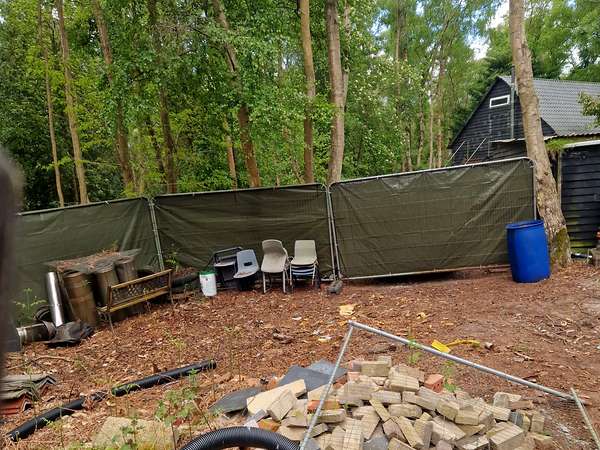
Garden clearance: the half of it that is underground
Most garden clearance quotes cover cutting and carting. What decides whether the garden is actually usable afterwards is what comes out of the ground…
Read →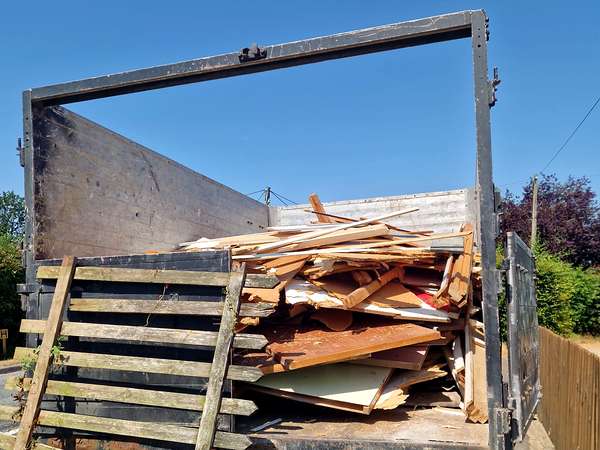
Fly-tipped on your land? The bill is yours
Fly-tipping on private land is cleared at the landowner’s expense, not the council’s. Here is why, what it costs, and what actually happens to…
Read →
What a waste transfer note is, and why you want one
The waste transfer note is the document that proves you handed your waste to someone licensed. Here is what it has to say, and…
Read →Recent jobs